Building Futures Through Education and Opportunity.
We empower refugees, the marginalized, and conflict-affected communities through quality education and market-relevant training to build self-reliance and transform society.
WHAT WE DO
- EDUCATION
- SCHOLARSHIPS
- SKILLS DEVELOPMENT
Education Management
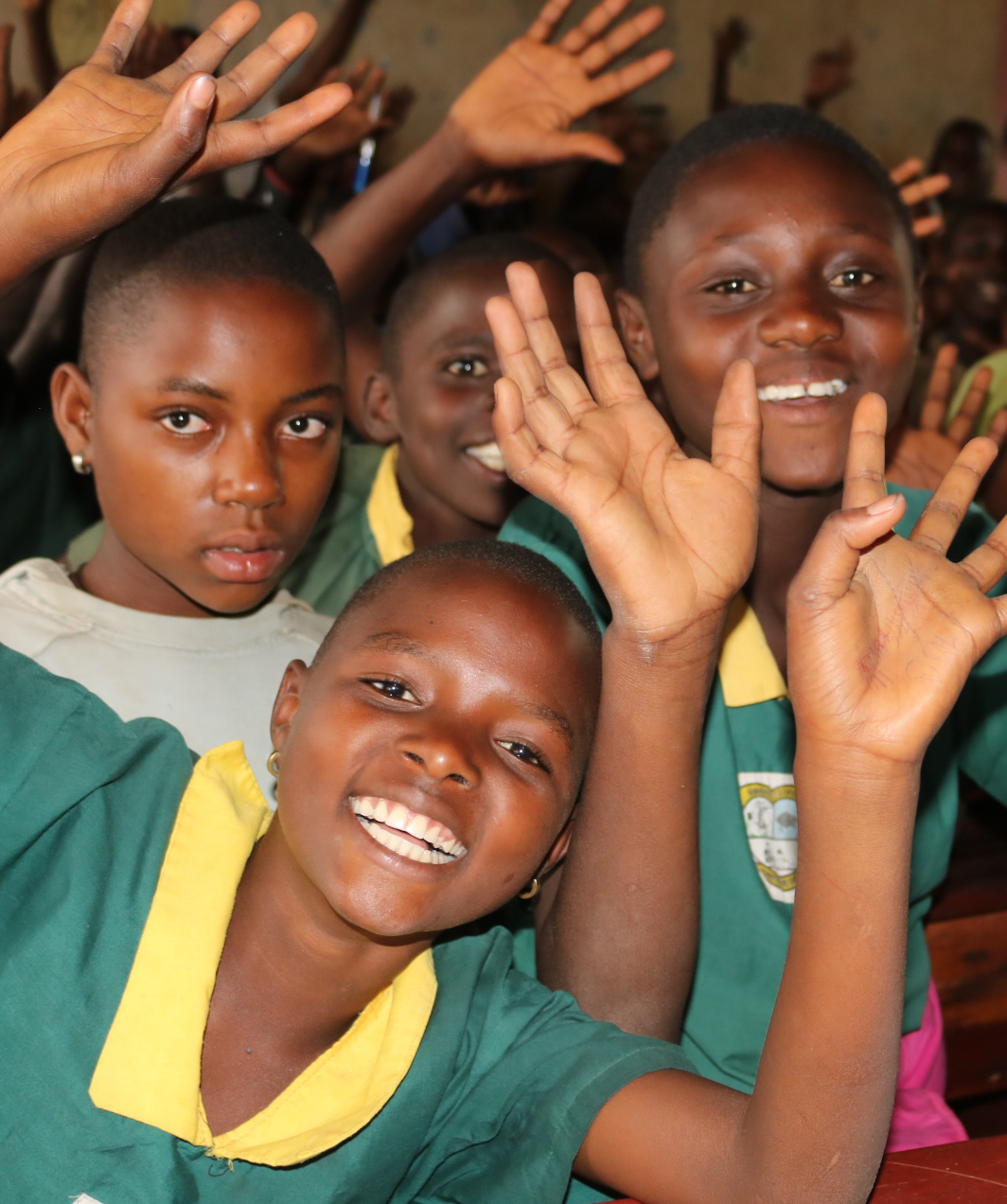
WIU supports and manages 288 education institutions nationally (97 ECD centres, 162 Primary, 27 Secondary, 1 Vocational Training Centre (VTC), and 1 Community Technology Access (CTA) centre). This includes setting up temporary and permanent learning spaces, providing teaching and learning materials, recruitment, remuneration and general management of school personnel. Windle also provides ongoing professional development and on-the-job training for teachers.
The teachers get training on teaching techniques, pedagogy, classroom management, and get psycho-social support through workshops, coaching, and mentoring.
WIU also provides scholastic materials like chalk, textbooks, charts, scheme books, …
Promoting Access to Education for Vulnerable and Marginalised Learners through Scholarships Management
At WIU, we understand that Education is a fundamental human right and scholarships are one way of ensuring that this right is protected and promoted for all young people, regardless of their background or circumstances. Scholarships are crucial in promoting access to education for vulnerable and marginalized students, including refugees. With support from UNHCR and other partners, WIU provides scholarships to vulnerable and marginalized students, including refugees, to support their education through primary, secondary, and tertiary levels of education.
Youth Empowerment through Skilling
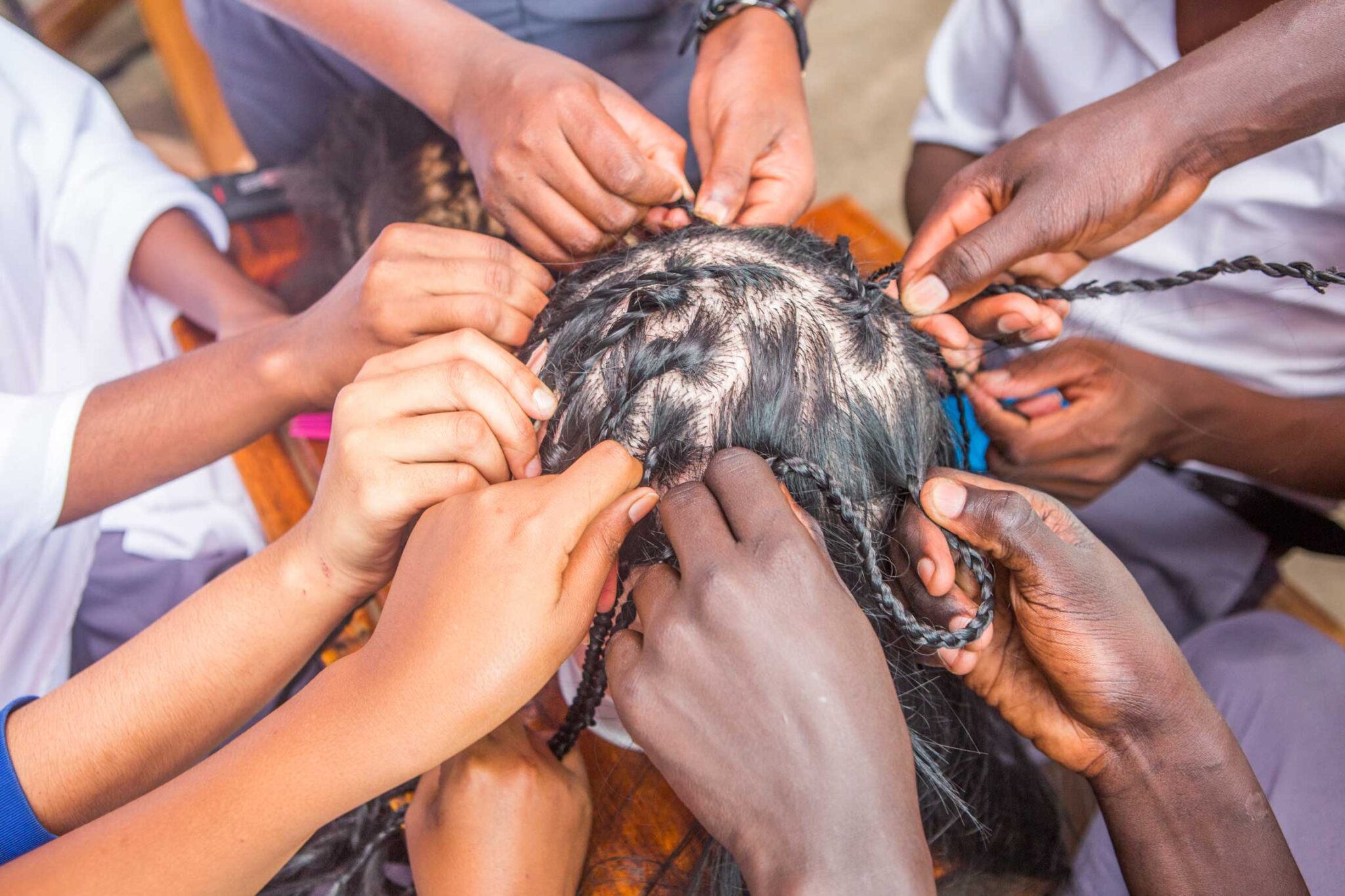
WIU has over 20 years of experience in providing technical and vocational education and training in line with the national policies, and frameworks. WIU has created profitable employment opportunities for refugees and host community youth through skills training and business development support. The youth in and out of school are equipped with demand-driven vocational and business skills to help them transition into work life or self-employment for sustainable livelihoods. The trained youth acquire vocational skills in various disciplines such as; motor vehicle mechanics, electrical installation, building and construction, agriculture, woodwork technology, welding and metal fabrication and fashion and design. After the conclusion of the training, the beneficiaries are then assessed by DIT for certification, and placed with private enterprises for Workplace-based learning (WBL) to earn hands-on skills…
WIU Numbers 2025


Our Impact
Besides the mainstream education structures, WIU has “vocationalised” secondary education. Through this initiative, students attain vocational skills alongside secondary education.
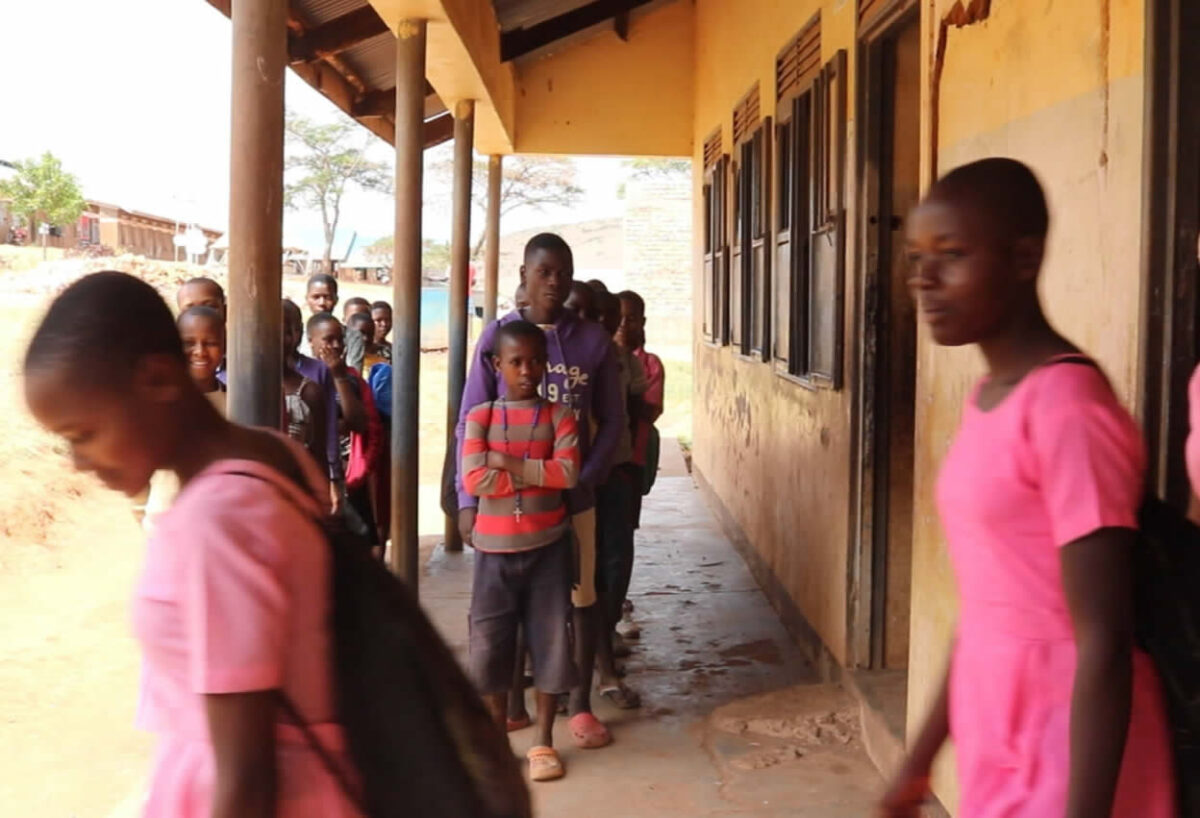
WIU is implementing the Double Shift Schooling System (DSSS) in 27 primary schools within Kyangwali, Imvepi, Rhino Camp, Palabeck-Lamwo, Palorinya-Obongi and Nakivale reaching out to 56,102 learners